

About the Project
Protect and Connect is a project designed to connect Mississippi parents to resources that can help make their families healthier, better connected, and happier together. Protect and Connect is a product of TIPPS, the Trauma-Informed Parenting and Professional Strategies program at Mississippi State University. This project is a partnership between MSU Extension, the MSU School of Human Sciences, and the Mississippi Department of Human Services. TIPPS is a capacity building program that focuses on training, educating, encouraging, and assisting parents in becoming knowledgeable about the nurturing, financial, growth and developmental needs of their children.
Learn more about our work:
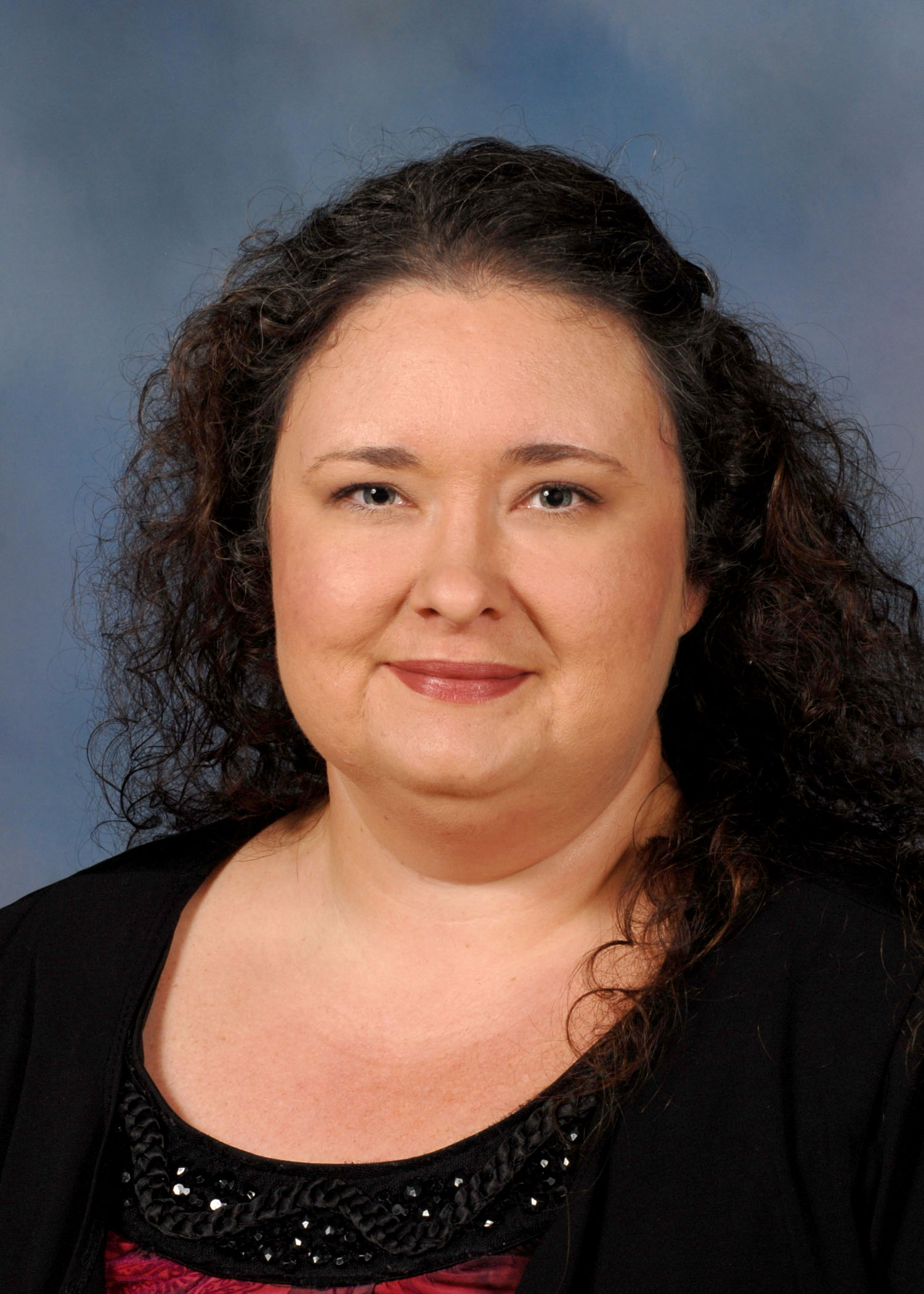
Dr. Lori Elmore-Staton is a Professor of Human Development and Family Science at Mississippi State University and is the project director of the TIPPS program. She received her B. A. degree in Psychology and her Ph.D. in Human Development and Family Studies from Auburn University. Dr. Staton has conducted biophysiological research for more than 15 years, with a special emphasis on sleep and emotion regulation of young children in the context of trauma. Her current work focuses on integrating biophysiological health research into education programs for parents and early childhood educators.
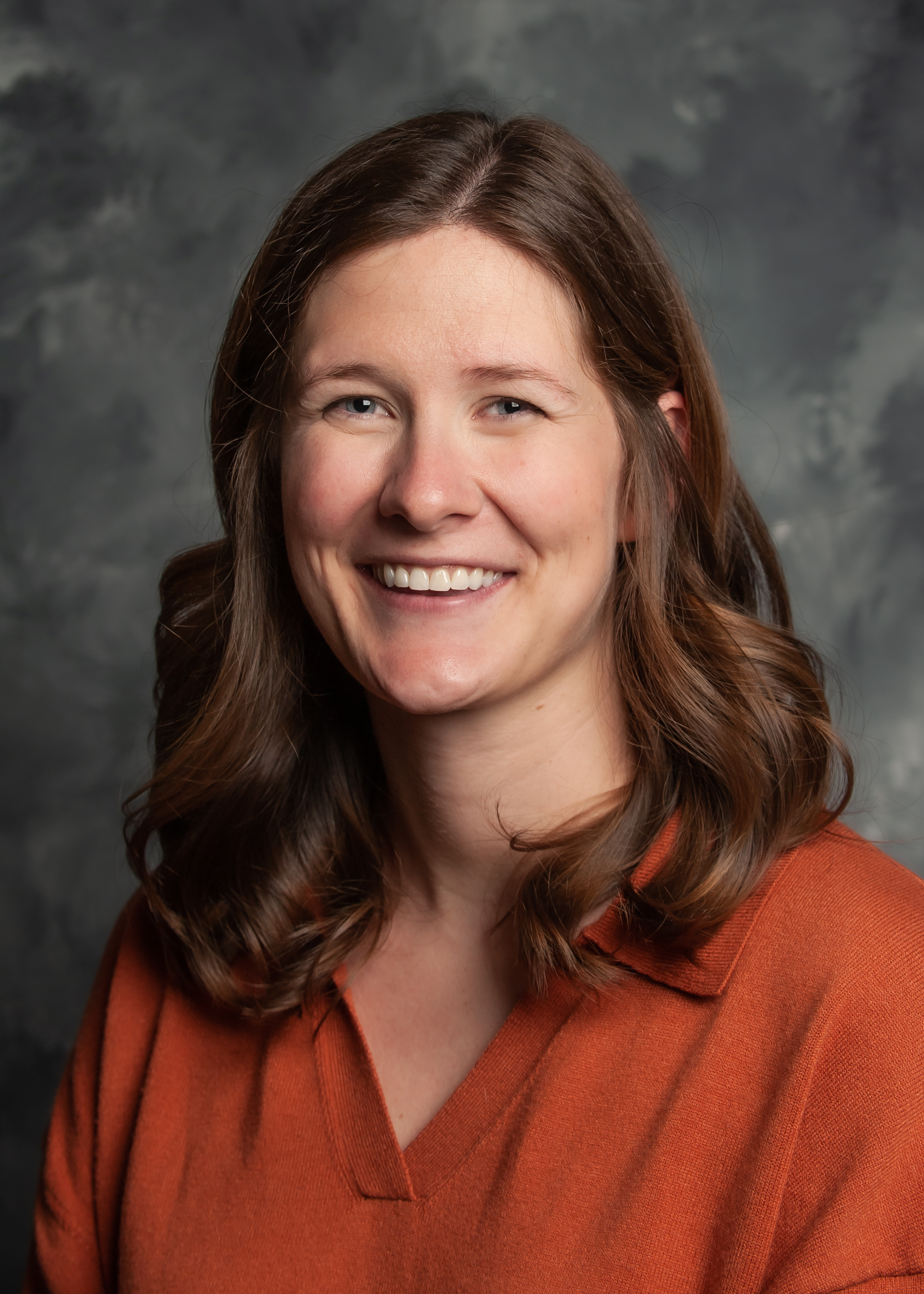
Kindall Akers serves the TIPPS Program as an Extension Associate. She holds both a B.S. and M.S. in Human Development and Family Science from Mississippi State University. Kindall feels passionately about providing caretakers with the tools and information needed to help their children grow to their full potential. In her role on the team, Kindall engages with participants, assists in coordinating the day-to-day responsibilities of the team, and helps to develop education materials.
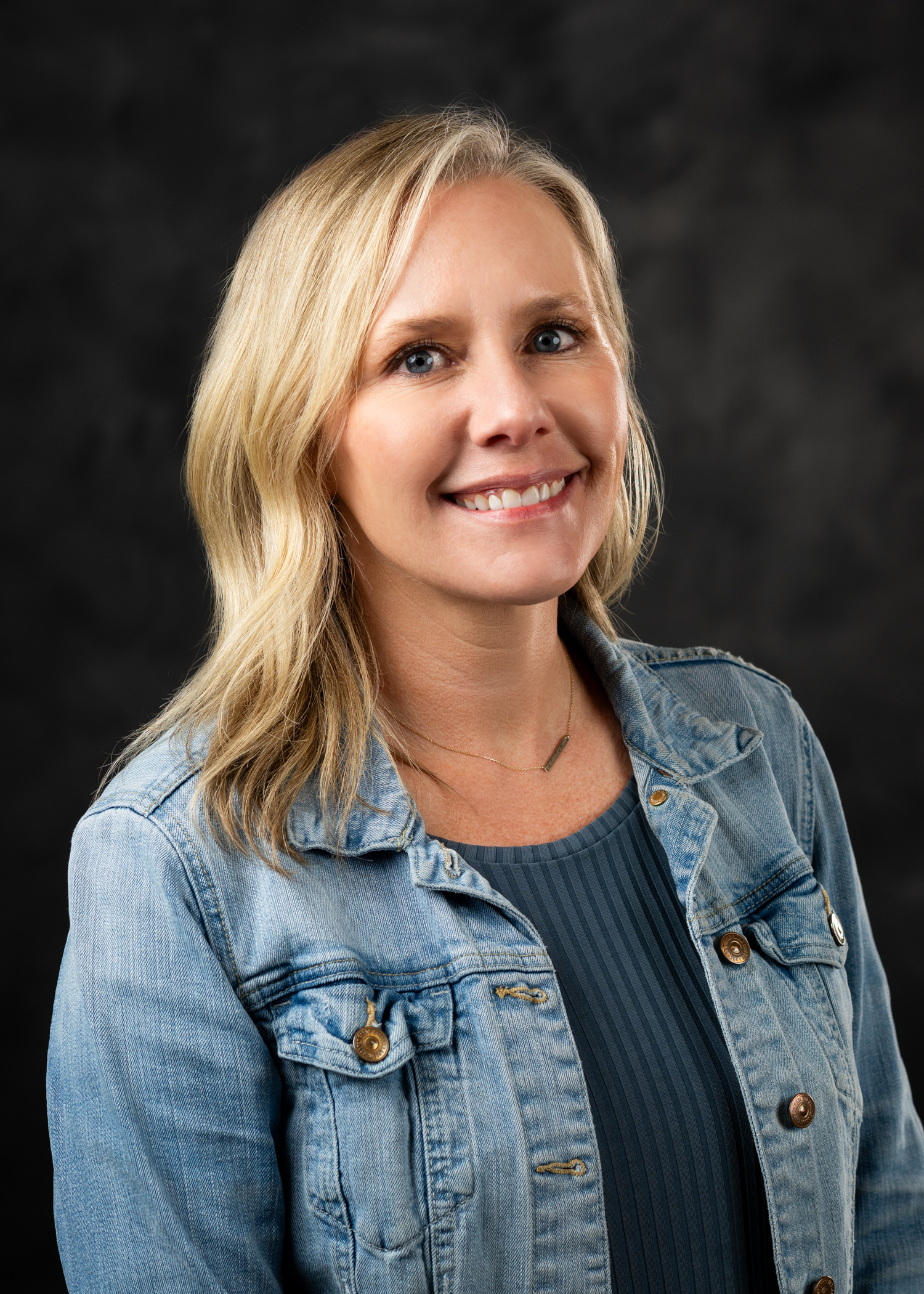
Dr. Bekah Sparks is an Extension Project Specialist with TIPPS, where she develops and supports family and child development programs across Mississippi. She holds a B.A. in Communication, an M.S. in Instructional Technology, and a Ph.D. in Human Development & Family Science - all earned at Mississippi State University - and brings 16 years of experience in technology education and support to the team. Dr. Sparks enjoys translating development research into practical, research-based tools for parents, guardians, educators, and community members.

Katelyn Wiggins serves on the TIPPS Program as the Data Manager. Katelyn earned her Bachelor's Degree in Human Development and Family Science with the Trauma-Informed Child Advocacy (TICA) Certificate. She's a Provisional Certified Family Life Educator, TBRI Practitioner, and TBRI Mentor. Katelyn's background consists of early intervention and child advocacy work. She is passionate about supporting children's development and helping caregivers understand the underlying needs behind a child's behavior, with a special focus on sensory processing and regulation.
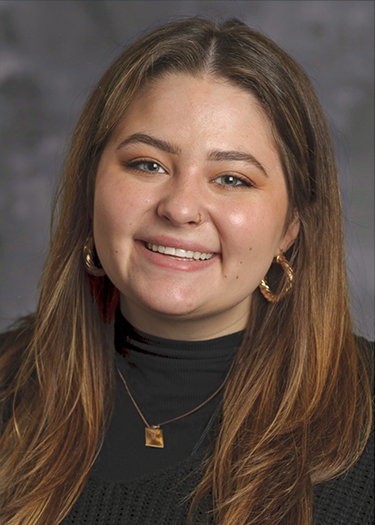
Sophia Manley is an Extension Associate in the School of Human Sciences at Mississippi State University working on the Trauma-Informed Parenting and Professional Strategies project. She received her B.S. in Human Development and Family Science with a concentration in Child Life and with a certificate in Trauma Informed Child Advocacy and completed a Master of Science degree in Early Intervention. Sophia is also a forensic interviewer and a victim advocate at Sally Kate Winters Child Advocacy Center.
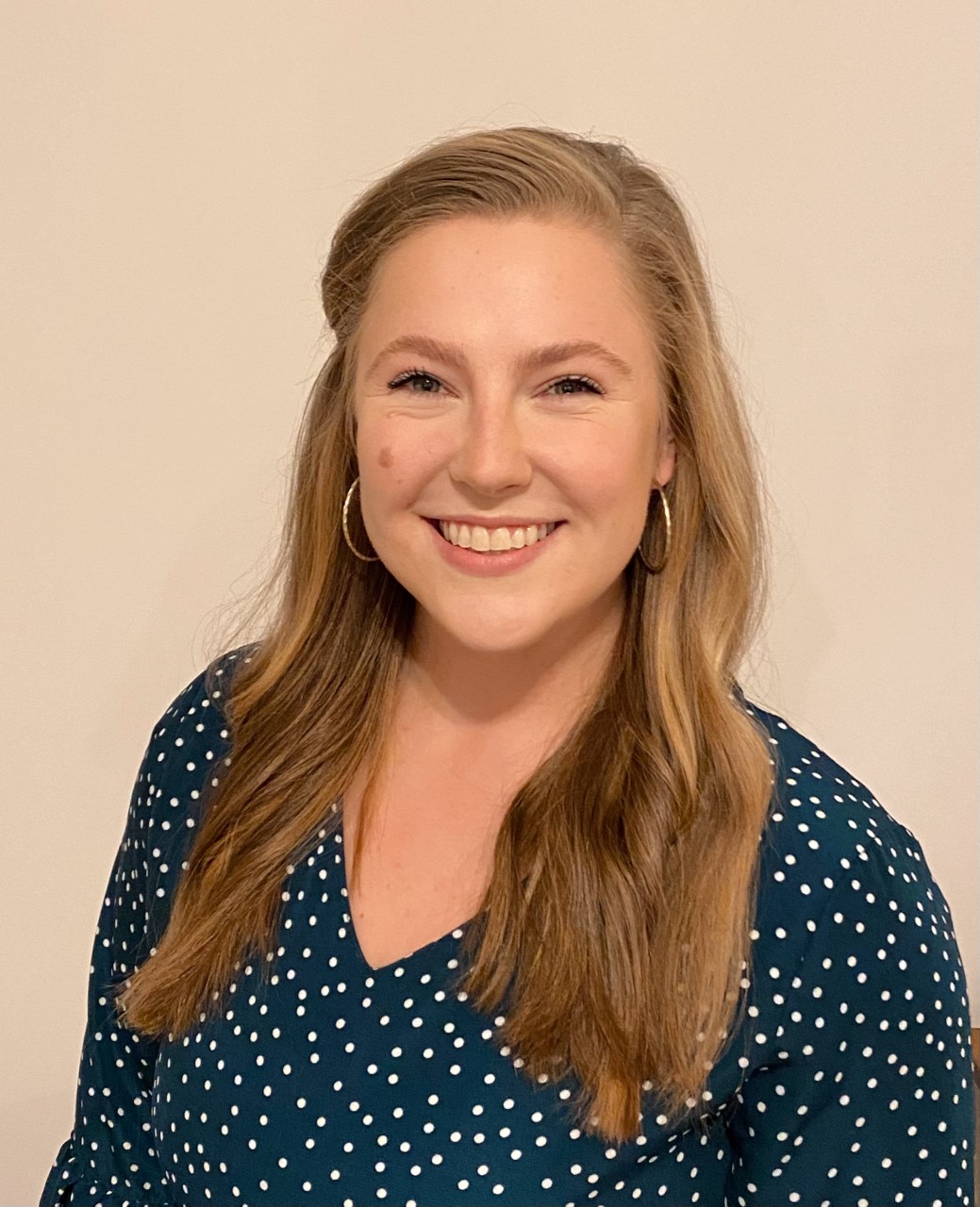
Sydney Yance serves as an Extension Associate and TBRI Trainer for the School of Human Sciences at Mississippi State University. She obtained her Bachelor of Science in Human Development and Family Studies from Auburn University and her Master of Science in Early Intervention from Mississippi State University. With a professional background in the Early Head Start family services space, Sydney is passionate about increasing equity and opportunity for children and their families by empowering and supporting caregivers both in the home and in the Early Care and Education classroom.
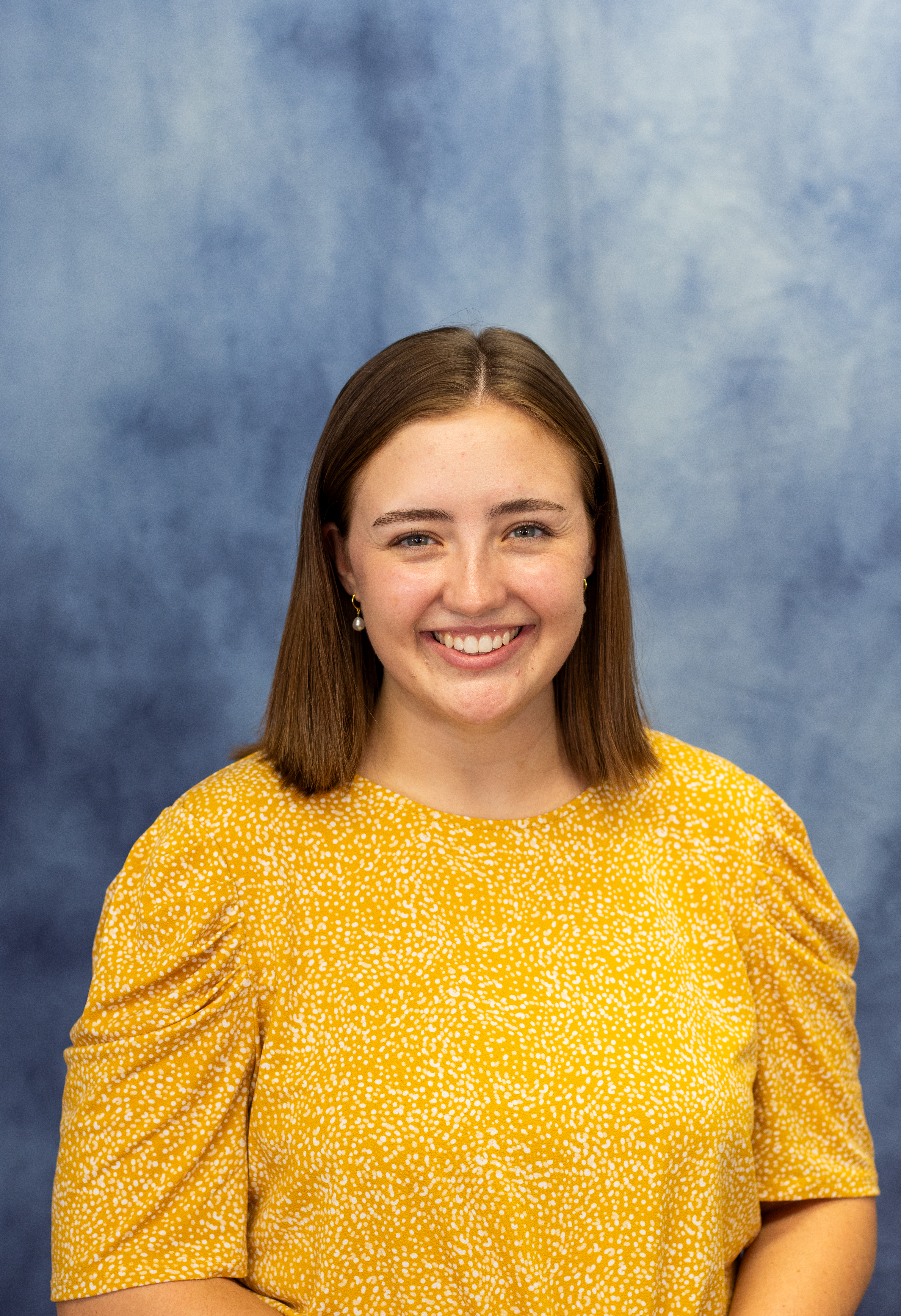
Grace May serves as an Extension Associate and Trust-Based Relational Intervention Practitioner for the School of Human Sciences at Mississippi State University. She obtained her Bachelor of Science in Human Development and Family Science with a concentration in Child Development and her Master of Science in Human Development and Family Science from Mississippi State University. Grace also obtained her Trauma-Informed Child Advocacy Certificate from Mississippi State University and is a Provisional Certified Family Life Educator. Grace is passionate about equipping caregivers and child advocacy professionals with trauma-informed practices. In her role on the team, Grace engages with caregivers throughout the state, assists in training child and family services professionals, and develops educational materials.

